I need to get something off my chest before we talk about wearable tech. If you do HYROX, DEKA Fit, Turf Games, or you’re the person casually mentioning you’ve got a half marathon “on this weekend, nothing major,” I think you’re a little unhinged. I mean that with total respect. I’ve been in the arena myself. Spartan Race, Tough Mudder, the whole muddy, shin scraping, why-am-I-crawling-under-barbed-wire era of my twenties. Pain was fun back then. These days my idea of a big weekend is a long walk, a decent workout with my personal trainer (yes, that’s my one true luxury expense, don’t judge me) and maybe a swim if the apartment pool isn’t full of toddlers.
So when a you get message from Amazfit, my first thought wasn’t “finally, a device worthy of my HYROX split times.” It was closer to “will this actually help someone like me, who wants to stay fit without pretending I enjoy suffering.” Turns out, that’s kind of the whole point.
Who is Amazfit anyway
If the name is new to you, you’re not alone, but the company behind it definitely isn’t a start up chancing its arm. Amazfit is owned by Zepp Health, a New York Stock Exchange listed health tech company that’s been building wearables since 2015. Globally the numbers are hard to ignore. Amazfit is sold in more than 90 countries, has over 42 million daily active users and has shifted more than 200 million devices worldwide, picking up iF Design and Red Dot awards along the way. It’s also the Global Partner for HYROX for the next three years, which explains why the brand has built dedicated functionality for tracking that particular flavour of madness (their word, not mine, is “fitness racing”).
Amazfit has just launched its own online store here in Australia, and the local debut is led by two products that, together, cover pretty much everyone from “I walked 6,000 steps today and I’m proud of it” to “see you at the finish line of my third HYROX this year.”
The Amazfit Active 3 Premium: for people who want structure, not chaos
This is the one I’d point beginners and steady improvers toward. The Active 3 Premium is built for runners who are still finding their rhythm, with built in workouts and Zepp Coach adaptive running plans that adjust based on how your training is actually going, not some generic plan you downloaded off the internet and abandoned by week two.
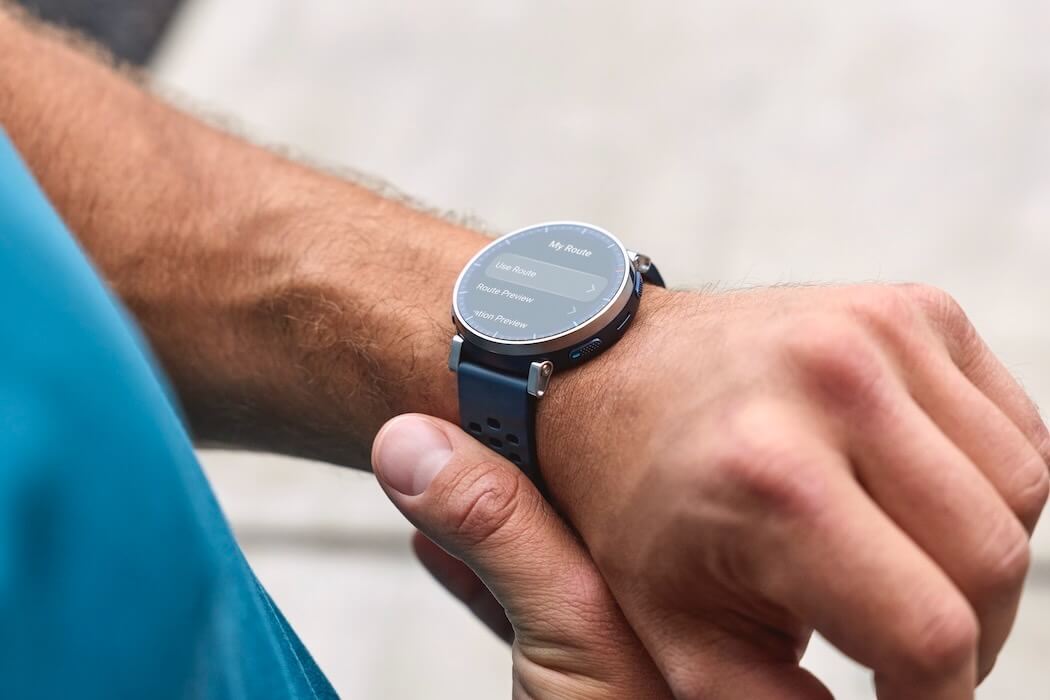
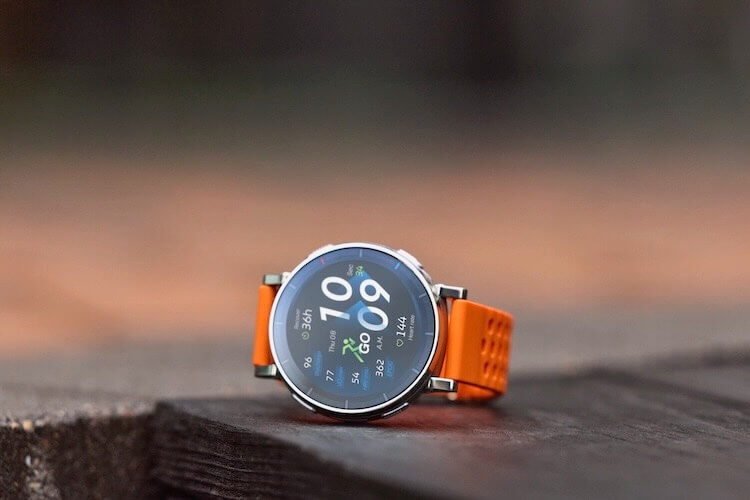
What impressed me is that it doesn’t feel like a beginner’s watch pretending to be premium. It’s got six satellite GPS positioning, offline maps, turn by turn directions and automatic rerouting, plus four gigabytes of storage so you can leave your phone at home and still have music and a map. The 45mm stainless steel case houses a 1.32 inch AMOLED display under sapphire glass, hitting up to 3,000 nits of brightness, which matters more than you’d think when you’re trying to read your pace under harsh midday Australian sun. Battery life is rated up to 12 days of typical use, and it also tracks heart rate, blood oxygen, stress, sleep and recovery through Amazfit’s BioTracker sensor technology.
It comes in Apex Silver, Atlas Blue and Aero White, with a retail price of A$239 (worth double checking on the day, as brand pricing can shift).
The Amazfit Helio Strap: for the ones who don’t want a screen judging them
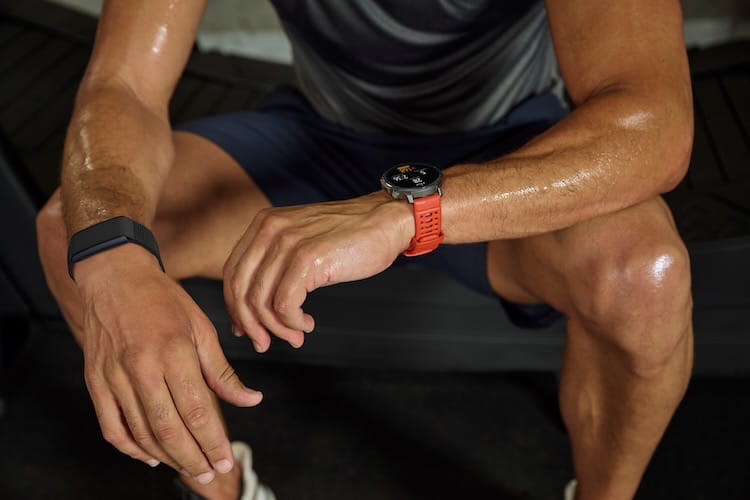
This is where things get interesting for the more seasoned athlete, or honestly, for anyone who finds a watch buzzing at them mid set a bit much. The Helio Strap ditches the screen entirely and focuses on one job: continuous, accurate heart rate tracking, recorded every single second. Worn on the wrist day to day or higher up on the arm during training, the arm position is designed to reduce the kind of sensor slip you get during genuinely intense sessions, which is exactly the demographic doing HYROX and DEKA Fit style events.
It broadcasts live heart rate to compatible watches, cycling computers and fitness equipment, works without your phone nearby and syncs later, and covers 27 sports modes through the Zepp App including dedicated HYROX tracking. Post workout you get VO2 max estimates, training load, training effect and recovery time, plus up to 10 days of battery and, importantly, no subscription required to use the core features. It’s available in Black with a retail price of A$166 (again, worth a quick verify before you commit).
So why Amazfit over the others
The honest answer is control. Most wearable brands buy in their sensors, their algorithms and often their operating system, then stitch it together. Zepp Health builds its own biometric sensors, its own Zepp OS, its own coaching algorithms and its own app, which means the whole experience, from the second your heart rate is captured to the moment the app tells you whether you’re actually recovered or just tired, is designed by one team with one philosophy. That philosophy, according to Amazfit’s APAC General Manager Robbie Wu, is a shift away from simply counting activity toward genuinely interpreting it, telling you when to push and when to rest.
For someone like me, whose fitness era has mellowed from obstacle course chaos to personal training sessions and the occasional swim, that’s the appeal. I don’t need a watch that assumes I’m training for HYROX. I need one that tells me honestly whether I’ve earned my rest day. For my more committed friends still chasing finish lines, the Helio Strap paired with the Active 3 Premium gives a far more complete picture, one device picking up the slack when the other is charging or sitting in a drawer.
Whether you’re the type who reads “eight one kilometre runs with eight functional stations” and thinks “sign me up” or, like me, reads it and quietly closes the laptop, there’s a genuine case for Amazfit being the watch that actually understands which kind of athlete you are.